Libraries, Schools Join In - School Library Journal
Log In to your Account                Free Newsletter Subscription
Subscribe to SLJ Magazine


ADVERTISEMENT
You will be redirected to your destination in a few seconds.

Library Journal: Library News, Reviews and Views

Carrie on Copyright: Altered States

E-Mail This Link


Enter recipient's e-mail:


Close
Email
RSS |

Is transforming books a reckless experiment or a legal act?

By Carrie Russell -- School Library Journal, 08/01/2007

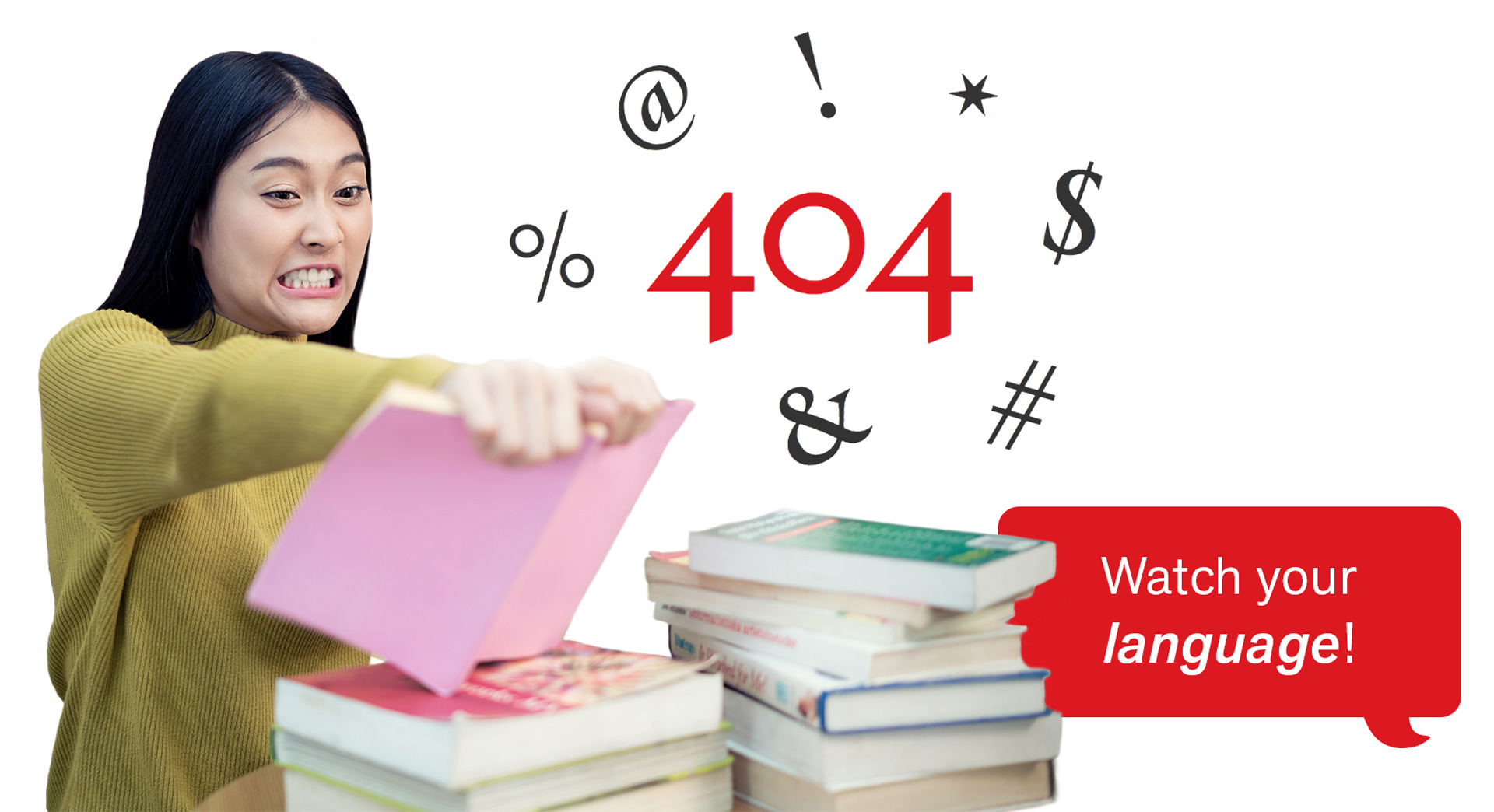
One of our classes is interested in creating altered books. According to the International Society of Altered Book Artists’ (ISABA) Web site (www.alteredbookartists.com), an altered book is “any book… that has been recycled by creative means into a work of art”—and that includes those that have been “rebound, painted, cut, burned… [and] drilled.” Although ISABA says it’s legal to do such things, we’re concerned that altering books may violate copyright law. What’s your take on that?—Jerilyn Van Leer, department supervisor of library media services, West Hartford Public Schools, West Hartford, CT

First, let’s distinguish the difference between a copy and a copyright. A copy of a book that’s been lawfully purchased is the property of the buyer. A copyright refers to exclusive rights, which include the reproduction, distribution, public display, or performance of a work, or the preparation of derivative works. If a book has been modified physically, has a copyright been infringed? Or has a derivative work been created?

To qualify as a derivative work, the new creation must be based on the original expression of the existing work (a translation or an adaptation is a good example of this). Thus, an altered book isn’t a derivative work because it doesn’t convey the expression of the original work.

If a book has been publicly displayed after it’s been altered, has copyright been violated? It’s possible that the cover art (especially if it’s still recognizable) might be infringed, but fair use (especially its favorable emphasis on the transformation of the work) would excuse that infringement.

The alteration of a work might be more of a problem if “moral rights”—those rights that protect an author’s honor and reputation—were a more critical part of our copyright law. But, unlike most European nations, the United States hasn’t adopted a provision that includes moral rights, except for a little section of the law (Section 106A) that protects the rights of visual artists. Under this right, visual artists are allowed to “prevent any intentional distortion, mutilation or other modification of a work which would be prejudicial to [their] honor or reputation.” Only certain types of visual works are considered, such as paintings, drawings, prints, sculptures, and signed photographs produced for exhibition purposes in limited editions of 200 copies or less. Any work created for commercial purposes (including cover art) or as work for hire is excluded. So ISABA’s claim that altered books are legal makes sense.

We’ve asked parents of our third-grade students to copy 18 pages from the back of a 546-page math book. The pages include tables of weights and measurements and a glossary of mathematical terms. That way, they can review the content with their children during the summer. Are we violating copyright law?

As far as we can tell, our copies seem to satisfy the four conditions of fair use: (1) We’re a nonprofit public school and the use is educational. (2) The total amount of the book that’s been copied is about three percent—and except for the glossary, most of the pages are just math problems. (3) The nature of the material is factual. (4) The effect on the work’s marketplace is zero, since we purchased these books for our students’ use in the first place. Are we correct in thinking this use is fair?—Nora Ziegler, third-grade teacher, Hillsdale Elementary School, West Chester, PA

Yes. This is a fantastic example of fair use in action! By the way, some of the material that you’ve copied doesn’t even qualify for copyright protection, because facts (such as a table of weights and measurements) are in the public domain.

We often loan out videos for personal viewing or for classroom instruction. Do we need to purchase a special license to do that?—Dewey Sullivan, librarian, Black Diamond Elementary School and Westwood Elementary School, Enumclaw School District, Enumclaw, WA

A license is only required for public performances that aren’t for classroom use, such as a film series or showing a film for entertainment purposes, whether or not admission is charged.


Author Information
Carrie Russell is the American Library Association’s copyright specialist. She will answer selected questions from readers. Send questions to slj@reedbusiness.com, with “copyright” in the subject line. Be sure to include your title and the name of your school or public library. Note: Carrie’s comments are not to be considered legal advice.


E-Mail This Link


Enter recipient's e-mail:


Close
Email
RSS |


Advertisement
-->

More Content

Blogs


Advertisements

-->

-->


About Us | Advertising Information | Submissions | Site Map | Contact Us | For Reviewers | RSS | Subscriptions
©2011 Media Source, Inc., All rights reserved.
Use of this Web site is subject to its Terms of Use | Privacy Policy
Media Source Inc. Media Source Inc. Media Source Inc. Media Source Inc. Media Source Inc. Media Source Inc.