Libraries, Schools Join In - School Library Journal
Log In to your Account                Free Newsletter Subscription
Subscribe to SLJ Magazine


ADVERTISEMENT
You will be redirected to your destination in a few seconds.

Articles

The HarperCollins Kerfuffle

A fumble on the way to ebook sustainability

E-Mail This Link


Enter recipient's e-mail:


Close
Email
RSS |

April 1, 2011

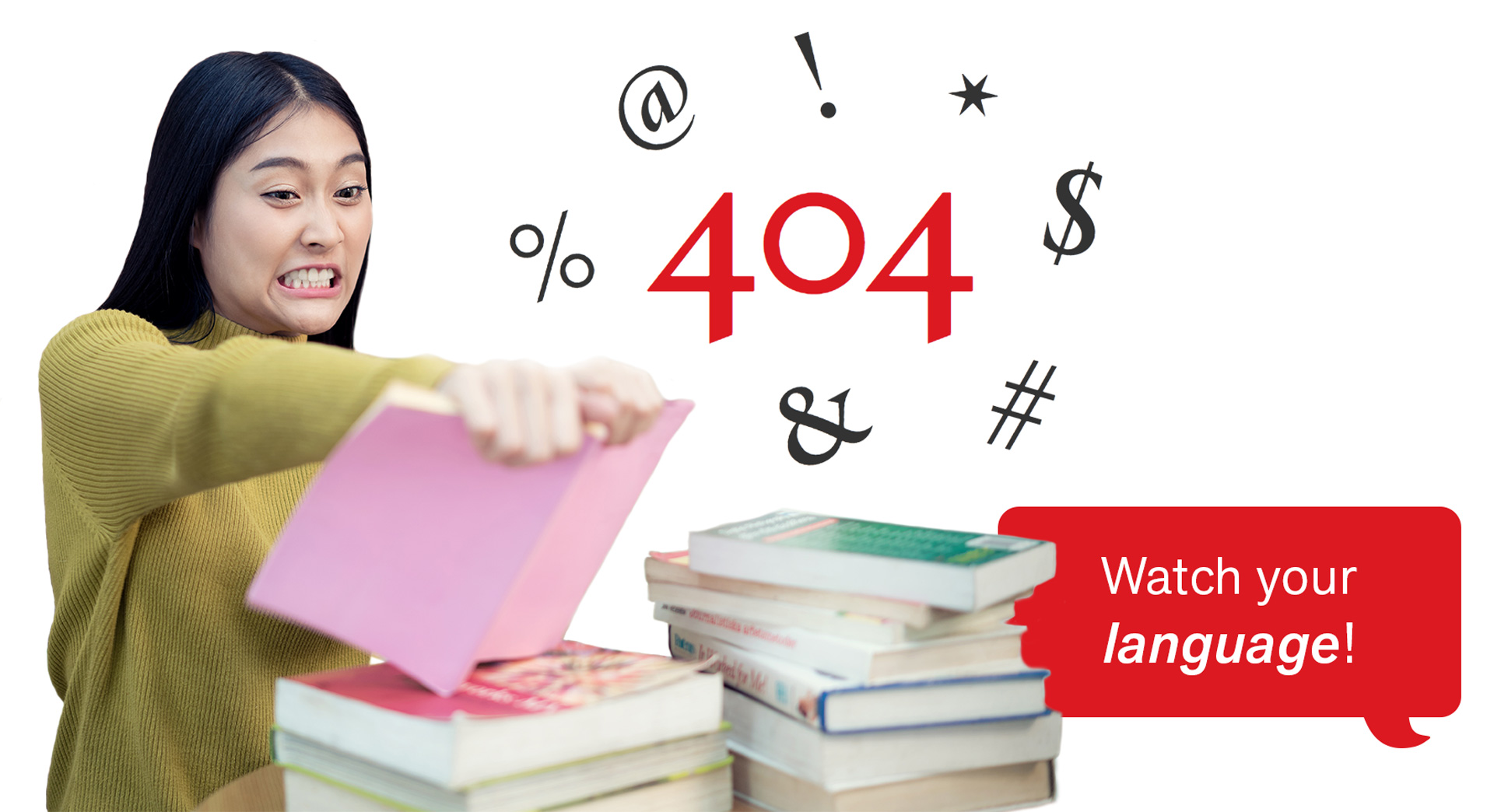
Brian2010_OCT(Original Import)HarperCollins’s decision to limit the circulation of library ebooks to 26 checkouts a year has generated one of the biggest storms in our profession in years—complete with calls to boycott the publisher.

The upside of all this? Library ebook models are finally on the front burner—with the story making headlines in the mainstream media, where many readers probably learned for the first time that libraries even circulate ebooks.

I’m no HarperCollins apologist. I don’t think this is a wise model for either libraries or publishers. Although the company says it consulted with librarians about the “26 circs” model, I can’t help but wonder if it spoke with any children’s, young adult, or school librarians. After all, a popular kids’ book can burn through 26 circs in just a few months!

However, I oppose a HarperCollins boycott. It’s an understandable reaction from librarians and, on a deeper level, serves as a lightning rod for the powerlessness many of us feel when faced with an evolving ebook strategy. But by focusing on HarperCollins, we simplify a more complex issue.

Of the “big six” publishers, Hachette (Little, Brown Books for Young Readers), Penguin, and Random House license ebooks to libraries with models (higher prices for frontlist, a range of prices for older content, and unlimited circ) that most librarians consider reasonable. But two of the big six—Macmillan and Simon & Schuster—don’t license ebooks to libraries at all.

What message are these publishers sending readers? That when you want an ebook, forget about the library.

Then there’s the matter of pricing, which is all over the place. One YA publisher is even licensing its fiction titles at $50.97, when Amazon is selling the equivalent hardcover at $11.55 and the Kindle edition for $9. Is $50 for a newish vampire novel (popularity unknown), albeit with unlimited circs, more reasonable than HarperCollins’s model? I’m not so sure.

Two things need to happen as libraries build their ebook collections (especially since our technology survey, coming next month, shows that school libraries expect to make significant investments in ebooks over the next five years).

First, libraries need more proactive—rather than passive—leadership in this area. Apparently, in June, the American Library Association is launching a website that’s dedicated to developing ebook models and will be hosting a virtual membership meeting to consider equitable access to ebooks. Let’s hope this isn’t too little, too late—and that youth librarians are actively involved.

Secondly, publishers need to look to libraries as partners in developing literacy and creating readers. If HarperCollins’s model is adopted by other publishers—or other draconian measures take effect—the impact will be chilling. Libraries, with their beleaguered budgets, will not only be forced to buy fewer copies of ebooks, they will end up buying fewer titles overall. Our collections will become less rich, less diverse, as libraries pass on new authors and less popular titles. And that won’t be good for anyone.

As bookstores, unfortunately, continue to close, libraries are often the last brick-and-mortar outposts where both young and old gather, get advice on what to read next, and discover new authors’ titles—which some readers will go on to purchase. As formats shift, libraries are poised to become even more vital to the reading public, not less so.

We just need the ebooks to do our job.

Brian Kenney
Editor-in-Chief
bkenney@mediasourceinc.com

E-Mail This Link


Enter recipient's e-mail:


Close
Email
RSS |


Reader Comments (1)


While we're talking about publishers trying to recoup their losses from e-books how about the following effort to recoup losses WITH e-books: I've recently been fooled into purchasing an e-book that came to an abrupt stop part way through what I considered the middle of the story. If I want to know how it ends, I have to purchase part 2... maybe there is even a part 3. The more I think about it, the more suspicious I become that this will happen often to extend sales. While I love my own e-book, I really hate this possibility. It is the first and only bad thing I have to say about the experience.


Posted by ChrisVA on April 4, 2011 09:50:04PM

Previous | Next

Comments that include profanity, personal attacks, or antisocial behavior such as "spamming", "trolling", or any other inappropriate material will be removed from the site. We will take steps to block users who violate any of our terms of use. You are fully responsible for the content you post. All comments must comply with the Terms and Conditions of this site and by submitting comments you confirm your agreement to these Terms and Conditions.

Your name: *

Your email address: * (We won't publish this.)


* = Required information

 
Advertisement

SLJ Reviews Database

SLJ Reviews Center

Latest Stories


From the Blogs


Advertisements


Connect with SLJ


Follow on Twitter


About Us | Advertising Information | Submissions | Site Map | Contact Us | For Reviewers | RSS | Subscriptions
©2011 Media Source, Inc., All rights reserved.
Use of this Web site is subject to its Terms of Use | Privacy Policy
Media Source Inc. Media Source Inc. Media Source Inc. Media Source Inc. Media Source Inc. Media Source Inc.