
NONFICTION

Biometrics: Your Body and the Science of Security

illus. by Ian Turner. 48p. bibliog. index. Owlkids. Sept. 2017. Tr $17.95. ISBN 9781771471930.
COPY ISBN
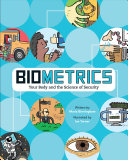
Gr 5 Up—Biometric identification uses technology to collect information about the unique physical and behavioral characteristics of individuals in order to authenticate their identity. There are more than seven billion humans on our planet, so it makes sense, according to Birmingham, to ditch the ubiquitous and easily hackable password method of identification in favor of new technologies. Written in a friendly and accessible style, chapters are short and full of vibrant cartoon illustrations that add some levity to the subject matter. (Frankenstein's face appears in the lineup in the "Facial Recognition: Face the Facts" sidebar.) Birmingham explores established and emerging biometric identification methods, explaining how fingerprint, hand geometry, and facial recognition work and where they are already being used. Iris, retinal, voice, and vein scanning are also covered. The future of biometrics is wide open. There might come a day when we are identified by our tongues, ears, gait, or even scent! For each method of biometric identification there is a highlighted sidebar detailing the type (physiological or behavioral), the difficulty involved in collecting data for the biometric, and how reliable and secure it is. Areas of concern such as issues of privacy and potential malfunctions of biometric systems are addressed.
VERDICT The use of biometrics in the science of identity authentication is here to stay. This compelling and comprehensible overview of the field is recommended for middle school readers.

Be the first reader to comment.

Comment Policy:
  • Be respectful, and do not attack the author, people mentioned in the article, or other commenters. Take on the idea, not the messenger.
  • Don't use obscene, profane, or vulgar language.
  • Stay on point. Comments that stray from the topic at hand may be deleted.
  • Comments may be republished in print, online, or other forms of media.
  • If you see something objectionable, please let us know. Once a comment has been flagged, a staff member will investigate.


RELATED 

ALREADY A SUBSCRIBER?

We are currently offering this content for free. Sign up now to activate your personal profile, where you can save articles for future viewing

ALREADY A SUBSCRIBER?